 Book Appointment
 800 7762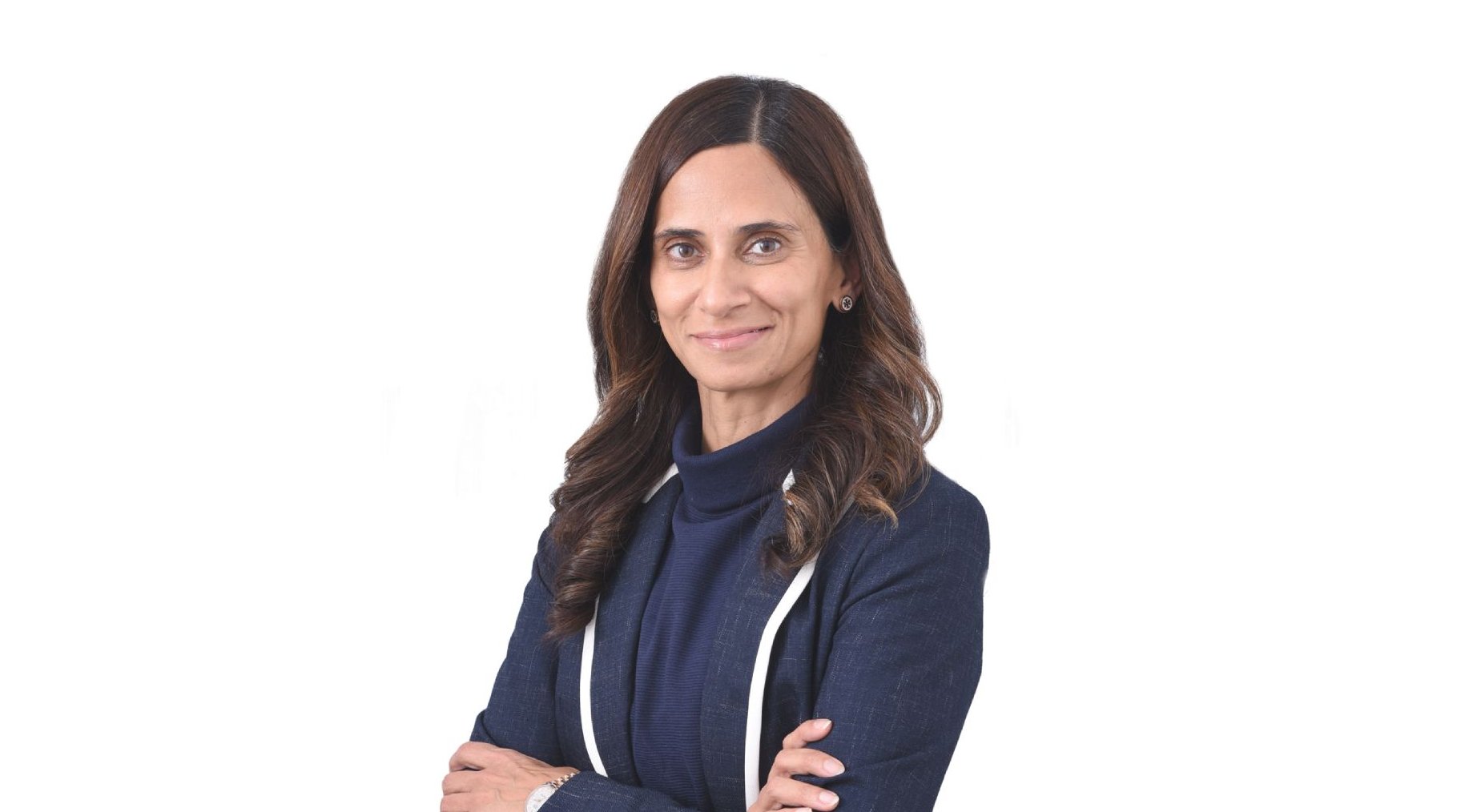
As millions observe the holy month, doctors say the distinctive fasting rhythm may do more than spiritual reflection
Ramadan fasting, traditionally a spiritual practice, is increasingly being recognised by doctors for its potential health and longevity benefits, as the long break from food helps the body repair itself.
The extended daily break from food allows the body to shift away from constant digestion and into a repair-focused mode — a shift increasingly linked to healthier ageing, according to Dr Rahat Ghazanfar, Family Medicine Consultant and Clinical Director of the Longevity Clinic at Sheikh Shakhbout Medical City.
“When we fast, the body finally gets a break from constant digestion and repeated sugar spikes,” she explains. “After several hours without food, it switches from using sugar as its main fuel to using stored fat. That shift is important because it activates repair processes inside the body.” She describes this process as a form of cellular “spring cleaning”, where old or damaged cells are cleared away, inflammation settles, and the body prioritises repair rather than continuous growth — a pattern associated with slower biological ageing over time.
Ageing is measured inside the body
In longevity medicine, Dr Ghazanfar stresses that ‘anti-ageing’ has little to do with appearance. Instead, doctors track internal markers such as blood sugar control, cholesterol balance, inflammation levels, muscle strength, bone health, heart fitness and hormonal balance.
“These markers give us a picture of how quickly or slowly the body is ageing on the inside,” she says. “From a longevity point of view, anti-ageing really means staying strong, mobile and mentally sharp for as long as possible.”
Ramadan fasting closely resembles what clinicians call time-restricted eating, where food is consumed within a defined daily window. This pattern, she notes, has been shown to improve blood sugar control and reduce inflammation without extreme calorie restriction.
“The key message is simple,” she says. “Consistency matters far more than intensity.”
Why fasting is more helpful than eating less
While eating fewer calories can improve health, fasting affects the body differently, according to Dr Ghazanfar. Even short daily fasts trigger repair mechanisms that do not fully activate when people eat small amounts throughout the day.
“Timing matters just as much as quantity,” she says, adding that longevity is not about under-eating. In fact, chronic restriction can be harmful, particularly for women and older adults.
“What tends to work best is a combination of nourishing, balanced meals and regular breaks from eating — something Ramadan naturally encourages.”
Hormones, inflammation and metabolic health
Fasting also influences hormones linked to ageing. Dr Ghazanfar explains that insulin levels fall during fasting, helping protect against diabetes, weight gain and many age-related diseases, while growth hormone levels rise, supporting muscle strength and tissue repair.
Chronic inflammation, one of the biggest drivers of ageing and long-term disease, also appears to ease during fasting.
“Fasting gives the body a break from constant stimulation,” she says. “Insulin levels drop, inflammatory pathways calm down, and the body moves into a more balanced state.”
Many people, she adds, notice practical signs of this during Ramadan, including lighter digestion, less bloating and clearer thinking — signals that the body’s inflammatory load is reducing.
“I see fasting as a reset rather than a cure,” she says. “It doesn’t replace healthy food or lifestyle choices, but it creates the space for the body to heal more efficiently.”
Appearance changes are secondary, not the goal
Claims linking fasting to improved skin or muscle tone are often overstated, Dr Ghazanfar cautions. While fasting may indirectly support skin health by lowering inflammation and improving insulin sensitivity, it is not a substitute for nutrition, hydration or skincare.
Fasting alone also does not build muscle. Without adequate protein and strength training, excessive fasting can lead to muscle loss — a risk that increases with age.
“The visible changes people notice usually reflect better metabolic health, less bloating and fat loss,” she says, “rather than fasting acting as a cosmetic solution.”
Not everyone benefits in the same way
Dr Ghazanfar emphasises that fasting is not one-size-fits-all. Age, gender, stress levels and existing health conditions all influence how someone responds.
“Younger, metabolically healthy individuals often tolerate fasting more easily,” she says. “As we age — especially for women — hormonal balance, muscle mass and nutrition become more important.”
Fasting can become counterproductive when it turns into ongoing stress, she warns. Warning signs include persistent fatigue, poor sleep, irritability, dizziness, hormonal disruption or muscle loss.
“Fasting is a tool, not a test of willpower,” she says. “If it starts draining energy instead of restoring it, that’s usually a sign the body needs nourishment, not more restriction.”
Ramadan as a starting point, not a pause
While Ramadan-style fasting can offer lasting benefits, Dr Ghazanfar says those gains depend on what happens after the month ends. Improvements in digestion, blood sugar control and inflammation can fade quickly if old habits return.
“What makes the difference is carry-over,” she says, pointing to simple habits such as avoiding late-night eating, allowing regular breaks between meals, eating more mindfully and prioritising sleep.
She sees Ramadan as a powerful annual reset — one that teaches rhythm, restraint and reflection.
“When even part of that rhythm continues,” she says, “the health benefits tend to continue too.”
In longevity medicine, she adds, fasting’s strongest impact appears to be on healthspan rather than lifespan — helping people stay independent, resilient and mentally sharp for longer.
“At its best,” she says, “fasting teaches awareness. It encourages people to slow down, eat with purpose, and reconnect with the body’s natural rhythms. When approached this way, it becomes a long-term ally, not a temporary fix.”
Dr Nawras Abuhamidah, a preventive medicine physician at Cleveland Clinic Abu Dhabi, said fasting shifts the body from a constant “fed” state into a more efficient repair mode, with insulin levels falling and fat oxidation increasing. This change alters nutrient-sensing pathways linked to cellular maintenance, including those involved in autophagy and metabolic flexibility. However, she noted that in humans, the strongest and most consistent benefits of fasting are seen in metabolic and cardiometabolic markers — such as insulin sensitivity, weight and lipid profiles — which are closely linked to healthier ageing. Evidence so far, she added, supports improvements in healthspan rather than proven extensions in lifespan.
source: Kaleej Times